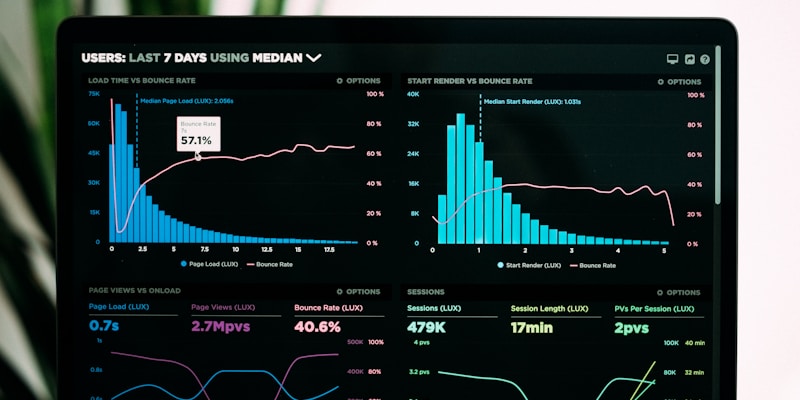
Modern land data dashboards compress millions of data points into a single screen. For new users, this can feel overwhelming. Understanding what each chart, table, and score means is critical before you act on the insight.
The HOUSIAS dashboard, for example, combines performance rankings, regional breakdowns, and AI commentary to help you move from raw data to an investment narrative.
1. Start With the High-Level Growth Metrics
Most dashboards highlight 1-year and 5-year performance first. On HOUSIAS, you see these in:
- The main chart on the Dashboard, showing appreciation trends across top locations.
- The Country Rankings page, sorted by 1Y and 5Y growth.
Use 1Y growth to understand recent momentum, and 5Y growth to see long-term structural stories.
2. Interpreting Tables and Rankings
Ranking tables typically display:
- Location name: Country, region, or city.
- Current valuation: Average or indexed price level.
- 1Y / 5Y growth: Percentage changes over the selected period.
- Rating or risk band: A synthetic score summarizing multiple indicators.
Look for consistency between rankings and charts: a top-ranked country should appear prominently in visualizations as well.
3. Reading Heatmaps and Regional Views
Heatmaps make it easy to see where capital is flowing. Warmer colors typically signal stronger growth or higher valuations. Combined with region filters on the rankings page, you can quickly answer questions like:
- Which regions are driving global performance?
- Are there pockets of strength in otherwise weak continents?
- How concentrated is your current exposure?
4. Combining Price Growth With Downside Views
Dashboards should always be read alongside downside information. On HOUSIAS, the Price Decline page highlights markets with negative trends, corrections, or elevated risk.
A country with strong 5Y growth but recent decline might still be attractive—if you understand the cycle and your risk tolerance.
5. Turning Dashboard Insights Into Actionable Questions
Rather than jumping straight to a transaction, use the dashboard to refine your questions:
- “Why is this region leading 5Y growth?”
- “How does its risk profile compare with my current holdings?”
- “What scenarios could reverse this trend?”
From there, you can dig into local reports, regulatory news, and specific property data.
Nothing in this article should be interpreted as personalized financial or investment advice. Always perform your own due diligence.